There’s a particular feeling I get every time I toss something in the trash—a low-grade sense of dread as I watch another piece of plastic disappear into a bin, destined for a landfill where it’ll sit for centuries. And then there’s the quieter concern that’s been building over the years: what exactly am I bringing into my home? What chemicals am I breathing in, touching, ingesting without even realizing it?
The truth is, our homes are filled with products that are either harmful to our health or devastating to the planet—often both. From the harsh chemicals in conventional cleaners that off-gas into the air we breathe, to the single-use plastics that pile up faster than we can keep track of, to the synthetic fragrances in candles that release toxins when burned. It’s overwhelming when you start paying attention.
But here’s what I’ve learned: we can’t control everything, but we can control what we choose to bring into our homes. And those choices—however small they might feel—add up. Over the past few years, I’ve slowly swapped out the products in my cleaning cabinet, kitchen, and even on my coffee table for options that are kinder to both my body and the planet. Here are the ones that have genuinely made a difference.
Cleaning: Non-Toxic and Low-Waste
Conventional cleaning products are loaded with volatile organic compounds (VOCs), synthetic fragrances, and chemicals that can trigger everything from respiratory issues to hormone disruption. Switching to non-toxic cleaners was one of the easiest changes I’ve made.


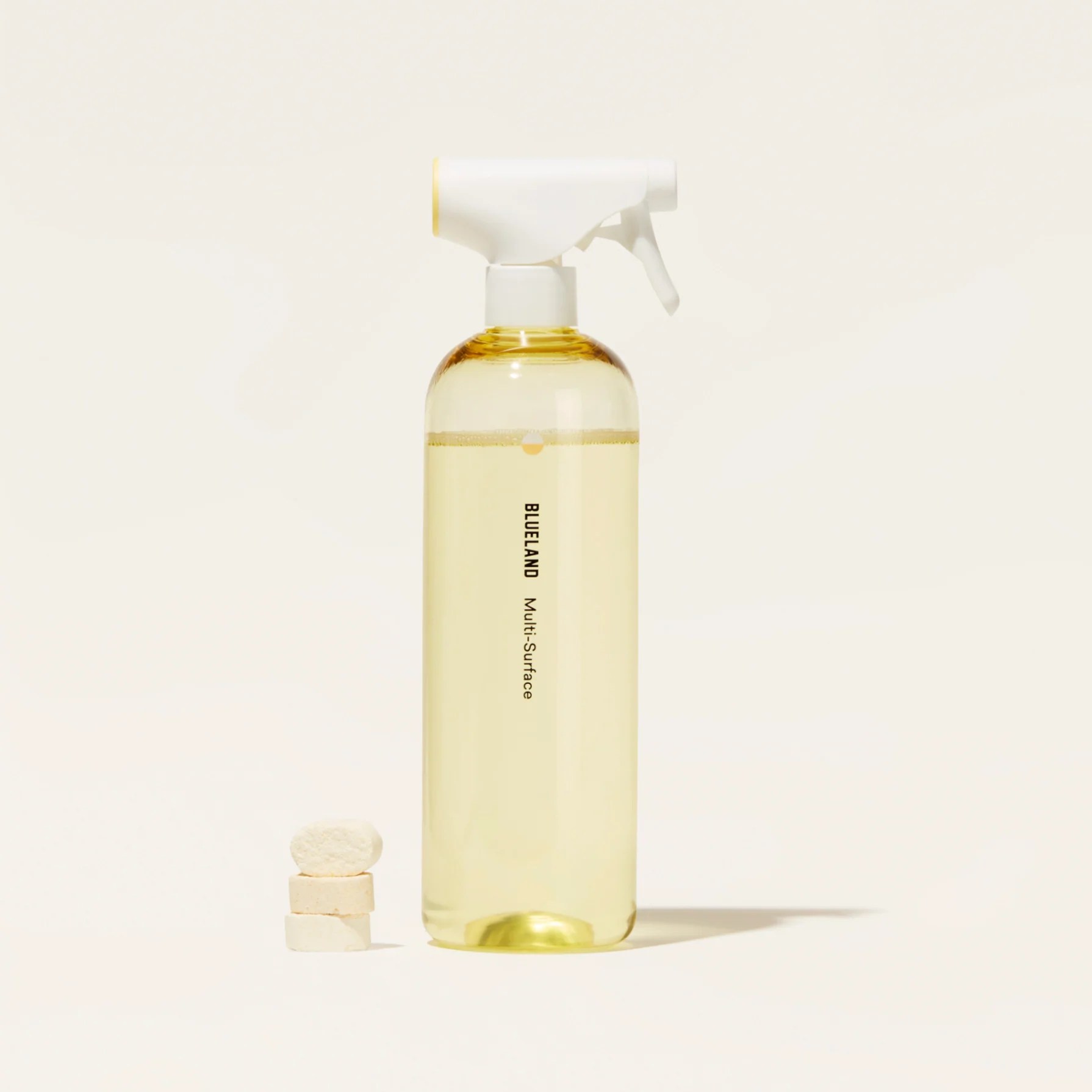

Blueland has completely transformed my approach to dish and hand soap. Instead of buying new plastic bottles every time you run out, Blueland uses a refill system: you buy a reusable glass or plastic bottle once, then just drop in a dissolvable tablet and add water. The formulas are free from parabens, phosphates, ammonia, and VOCs, and they actually work—no greasy residue, no weird film. I keep their hand soap by every sink and their dish soap at the kitchen counter, and the fact that I haven’t thrown away a soap bottle in over a year feels like a small victory.
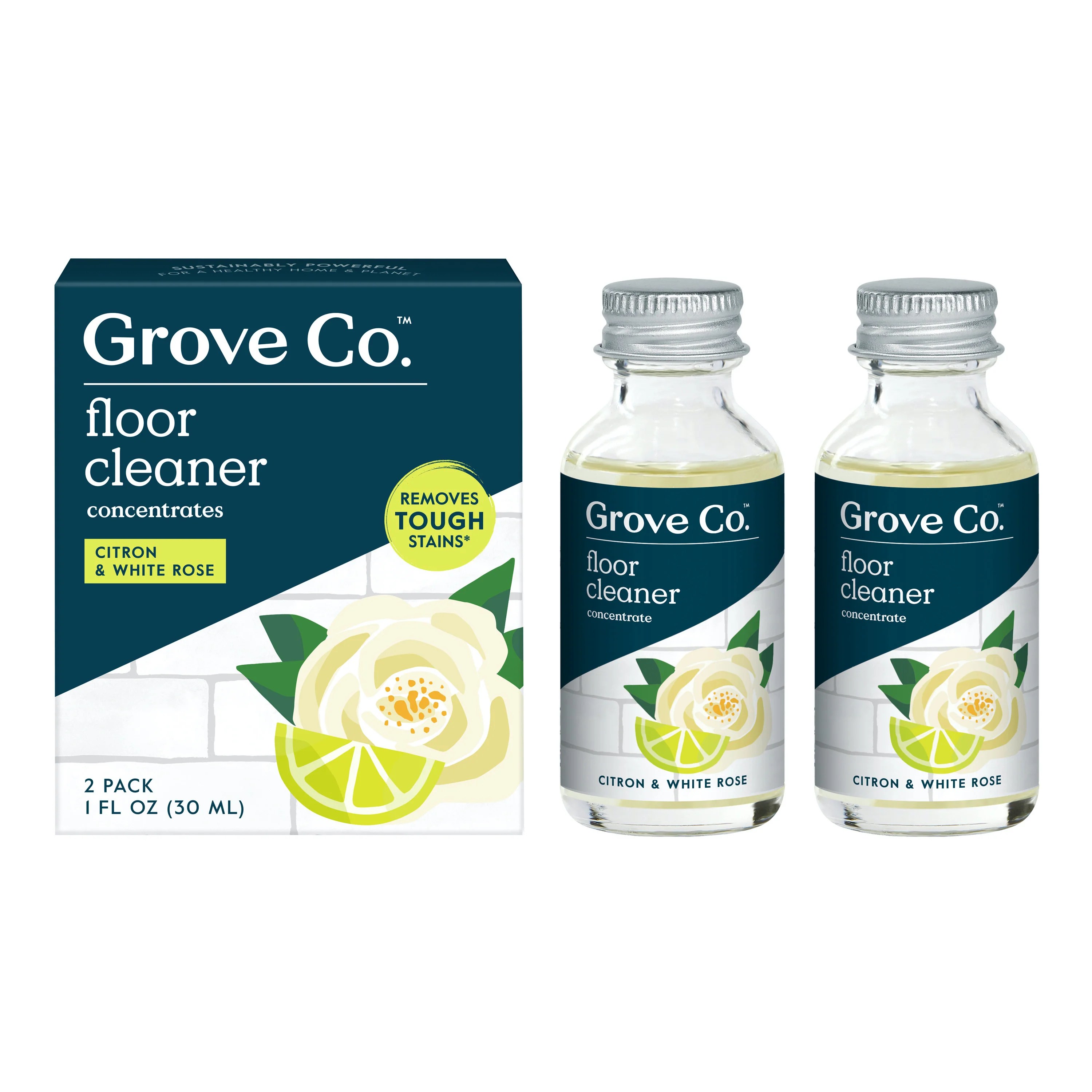
For tougher cleaning jobs, I’ve become obsessed with Grove Collaborative’s cleaner concentrates. Similar to Blueland, these concentrates come in small bottles that you mix with water in reusable spray bottles. Grove’s formulations are plant-based, biodegradable, and packaged in recyclable materials. They also offer a subscription model that ensures you never run out (and never overbuy), and their Plastic-Free Guarantee means they’re actively working to eliminate single-use plastic from their supply chain. The glass cleaner and all-purpose cleaner are staples in my home, and I love that I can feel good about what I’m spraying on surfaces where I prep food or where my hands constantly touch.
And because we’re talking about cleaning, I have to mention biodegradable sponges. Most conventional sponges are made from synthetic materials that shed microplastics and take hundreds of years to break down. I switched to plant-based sponges made from cellulose and loofah that are fully compostable at the end of their life. They work just as well, cost about the same, and when they’re done, they go in my compost bin instead of a landfill.
One more favorite: the Tushy coconut husk toilet brush. Yes, I’m talking about a toilet brush, but hear me out. Most toilet brushes are made from plastic bristles that eventually shed microplastics and need to be thrown away. Tushy’s version uses coconut husk bristles that are naturally antimicrobial and biodegradable. Their cleaning solution is also infused into the coconut husk and starts foaming upon use in water, so you save on toilet bowl cleaning solution. I personally am extremely grossed out by traditional toilet wands that get rinsed off…where? And then sit in the corner of a bathroom, festering in their germs. These disposable scrubbing pads feel 10 times more sanitary, and no worse for the planet.
Kitchen: Durable, Non-Toxic, and Built to Last
The kitchen is where I’ve been the most intentional about choosing products that will last a lifetime—or at least a very long time. I got tired of replacing cheap cookware and kitchen tools every few years, only to watch them end up in the trash. Investing in high-quality, non-toxic kitchen essentials has not only reduced my waste but also made cooking more enjoyable.


Kana’s 5.5-Quart Dutch Oven is the kind of piece you buy once and pass down to your kids. It’s made from cast iron with a non-toxic enamel coating—no PFAS, PTFE, or other harmful chemicals that leach into your food. It’s non-stick, retains heat beautifully, and can go from stovetop to oven without issue. I use mine for everything from roasting chicken to making pots of Thai coconut curry, and it’s become one of the most-used items in my kitchen. The fact that it’s also stunning enough to go straight from oven to table doesn’t hurt.
For baking, I swear by Nordic Ware baking sheets. These are made in the USA from natural aluminum with a non-toxic, PFOA-free nonstick coating. Unlike cheap baking sheets that warp in the oven or develop hotspots, Nordic Ware sheets are thick, sturdy, and distribute heat evenly. I’ve had mine for years, and they still look nearly new. They’re also designed to last a lifetime, which means I’m not constantly replacing flimsy pans that end up in a landfill.
I also invested in a Cuisinart stainless steel bowl and pan set, which has completely eliminated my need for any nonstick cookware. Stainless steel is non-reactive, incredibly durable, and free from the harmful chemicals found in most nonstick coatings (like Teflon). It takes a little more care to prevent sticking—butter, oil, and proper heat management are your friends—but once you get the hang of it, you’ll never go back. And when these pans eventually wear out (which will be decades from now), stainless steel is infinitely recyclable. You’ll often find a big bowl of salad covered by a lid sitting right in my fridge, since the bowls double as prep and storage containers.
For on-the-go meals, I love my Fenger stainless steel lunch container. It’s microwavable (yes, stainless steel can be microwaved safely, as long as there’s no lid), leakproof, and eliminates the need for plastic containers or disposable packaging. I use it for everything from salads to reheatable leftovers, and it’s held up beautifully. Paired with my W&P ceramic and silicone travel mug, which keeps coffee hot without any plastic touching my drink, my morning routine has become almost entirely waste-free.
Two more kitchen essentials I can’t live without: Cloth paper towels and Swedish dishcloths. These dishcloths are made from a blend of cellulose and cotton, and they’re completely biodegradable and compostable. They replace both paper towels and sponges (especially for countertop cleaning)—they’re absorbent, durable, and can be tossed in the dishwasher or washing machine to clean. And in my small apartment with limited storage, I am grateful for my roll of cloth paper towels that can oscillate between being used for general cleaning, and also serve as cute napkins during meals.
Candles: Clean-Burning and Beautifully Scented
I used to think all candles were created equal until I learned that most conventional candles are made from paraffin wax (a petroleum byproduct) and synthetic fragrances that release harmful chemicals like benzene and toluene when burned. Basically, lighting a cheap candle is like inviting a tiny oil refinery into your living room.
Switching to clean-burning candles made from natural waxes (like soy, coconut, or beeswax) and scented with essential oils or phthalate-free fragrances has been a game-changer—not just for my health, but for the overall ambiance of my home.
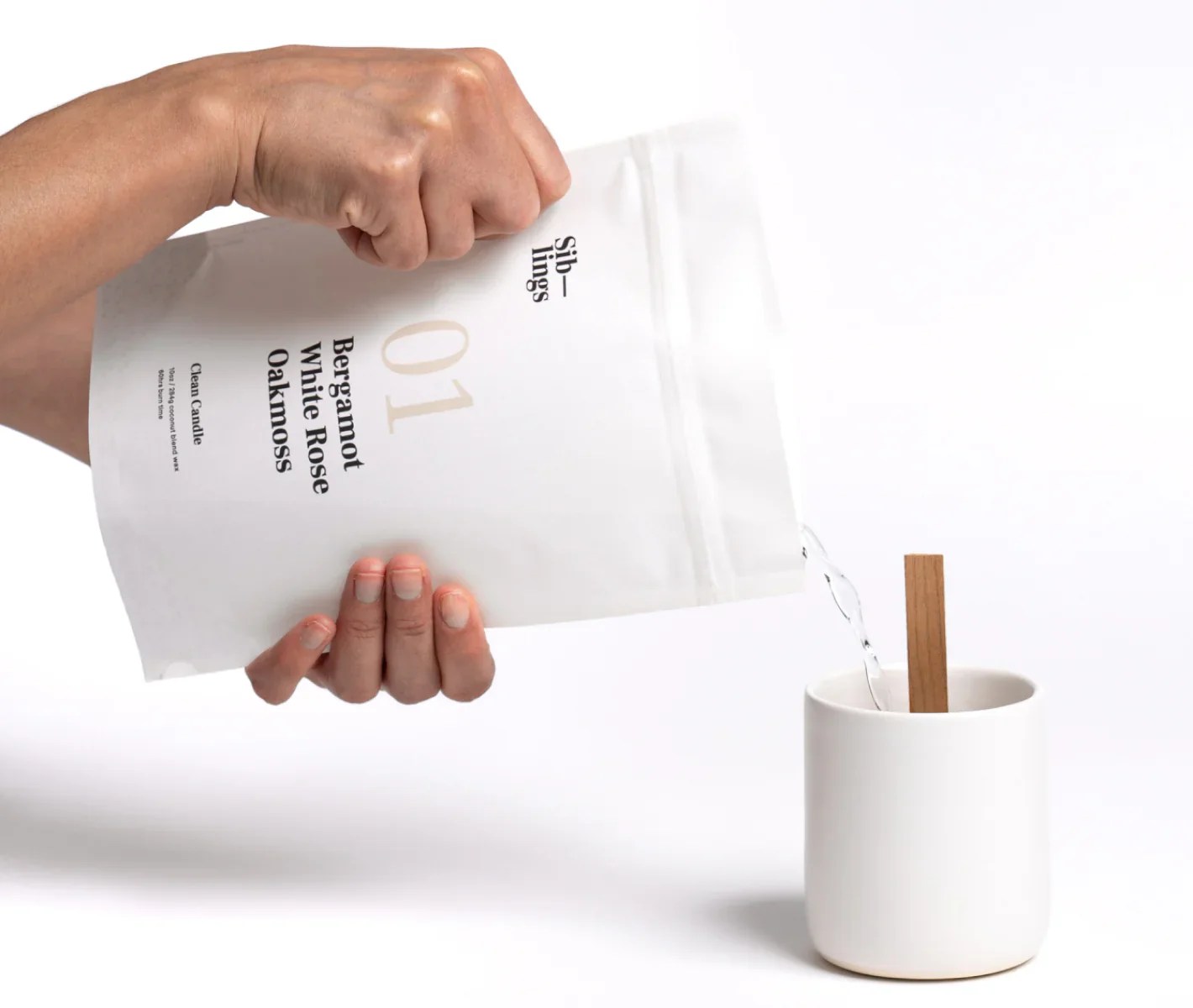


Siblings Candles are my go-to for everyday luxury. They’re hand-poured in Brooklyn using 100% soy wax and phthalate-free fragrance oils, and the scents are sophisticated without being overpowering. I’m currently burning through “Desert Rain,” which smells like petrichor and sage, and it’s become my favorite scent for winding down in the evening. The minimalist packaging is also gorgeous—simple glass jars that I reuse for plant cuttings or small storage once the candle is gone.
Atmo Home is another favorite, particularly their Vetiver Smoke candle. Atmo uses a blend of soy and coconut wax, which burns cleaner and longer than paraffin, and their fragrances are complex and earthy. Vetiver Smoke has notes of smoked woods, leather, and spice, and it makes my apartment feel like a cozy cabin in the woods. Atmo also focuses on sustainability—they use recycled packaging and carbon-offset shipping, which feels like a nice bonus.
For something a bit more indulgent, I love Flamingo Estate’s Climbing Tuscan Rosemary candle. Flamingo Estate sources ingredients from their organic farm in Los Angeles, and their candles are made with sustainably harvested beeswax and essential oils. The Tuscan Rosemary scent is herbaceous and grounding, and the glass vessels are so beautiful that I keep them on display long after the candle has burned down.
Finally, if you’re looking for something a bit more sultry, Maison Louis Marie’s Bois de Balincort is perfection. It’s made from a soy-blend wax and has a A warm woody scent with sandalwood, vetiver, and amber wood. Creamy, earthy, and quietly addictive.
Final Thoughts
Creating a conscious home doesn’t happen overnight, and it doesn’t require you to throw out everything you own and start from scratch. It’s about making thoughtful swaps as things run out—choosing the cleaning concentrate over the plastic bottle, the cast iron pan over the Teflon one, the clean-burning candle over the cheap paraffin version.
Each of these products has earned its place in my home because they perform beautifully, last a long time, and align with my values. And honestly? There’s something deeply satisfying about knowing that the things you use every day—the soap you wash your hands with, the pan you cook dinner in, the candle you light at the end of a long day—are making your home a healthier, more sustainable place.